
LVT vs laminate: which flooring is right for your home?
5 min read ·
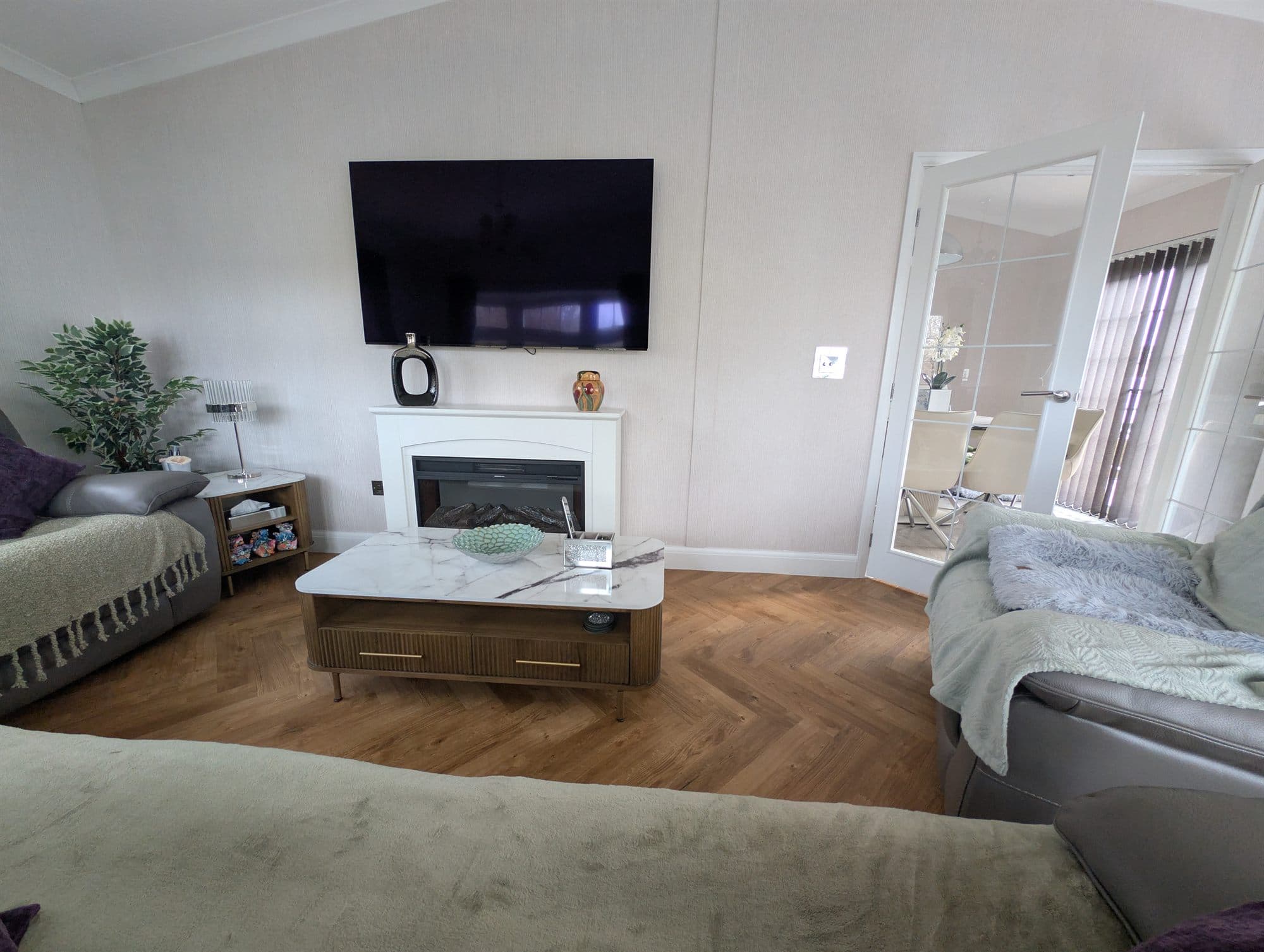
LVT and laminate can look very similar in the showroom — both come in convincing wood and stone effects, both come in planks and herringbone. But they're made differently, and that affects where they work best.
What's the difference?
Laminate has a core made from compressed wood fibre, with a printed image layer and a hard protective top coat. It's usually a floating floor — the boards click together and sit on an underlay rather than being fixed down.
LVT (luxury vinyl tile or plank) is vinyl-based. It comes either as thin flexible planks that are glued down, or as rigid-core click planks that float like laminate.
Water and moisture
This is the biggest practical difference. LVT copes well with water, which makes it a good choice for bathrooms, WCs, kitchens and utility rooms. Standard laminate's wood-fibre core can swell if water gets into the joints. Some laminates are sold as water-resistant, but in bathrooms we'd generally recommend LVT or tiles.
Comfort and noise
LVT tends to feel warmer and a little softer underfoot, and is usually quieter to walk on. Laminate can sound harder and more hollow, although a good underlay makes a real difference.
Wear and tear
Good-quality laminate has a very hard surface that stands up well to scratches. LVT has a wear layer on top — thicker is better in busy areas. Both are affected by grit, which is worth thinking about near the coast: sand walked in on shoes acts like sandpaper on any floor. A good entrance mat helps either way.
The subfloor matters
Glue-down LVT is thin, so it shows every bump and dip in the floor beneath — it needs a smooth, level base, which may mean levelling compound or new boarding first. Click LVT and laminate are more forgiving but still need a flat floor, or the joints can move and click.
Either way, it's worth budgeting for proper preparation. It's the most common reason floors look wrong or fail early.
Which to choose
- Bathrooms, WCs and utility rooms — LVT
- Kitchens — LVT is usually the safer choice
- Holiday lets and rentals — LVT copes well with heavy use and spills
- Living rooms, bedrooms and hallways — either works well
- Herringbone — available in both, and looks great in either
Don't forget the practical details: new flooring is often thicker than the old, so doors may need trimming, and thresholds between rooms need the right trims. We'll take care of both.