
Damaged plaster: repair it or replaster?
6 min read ·
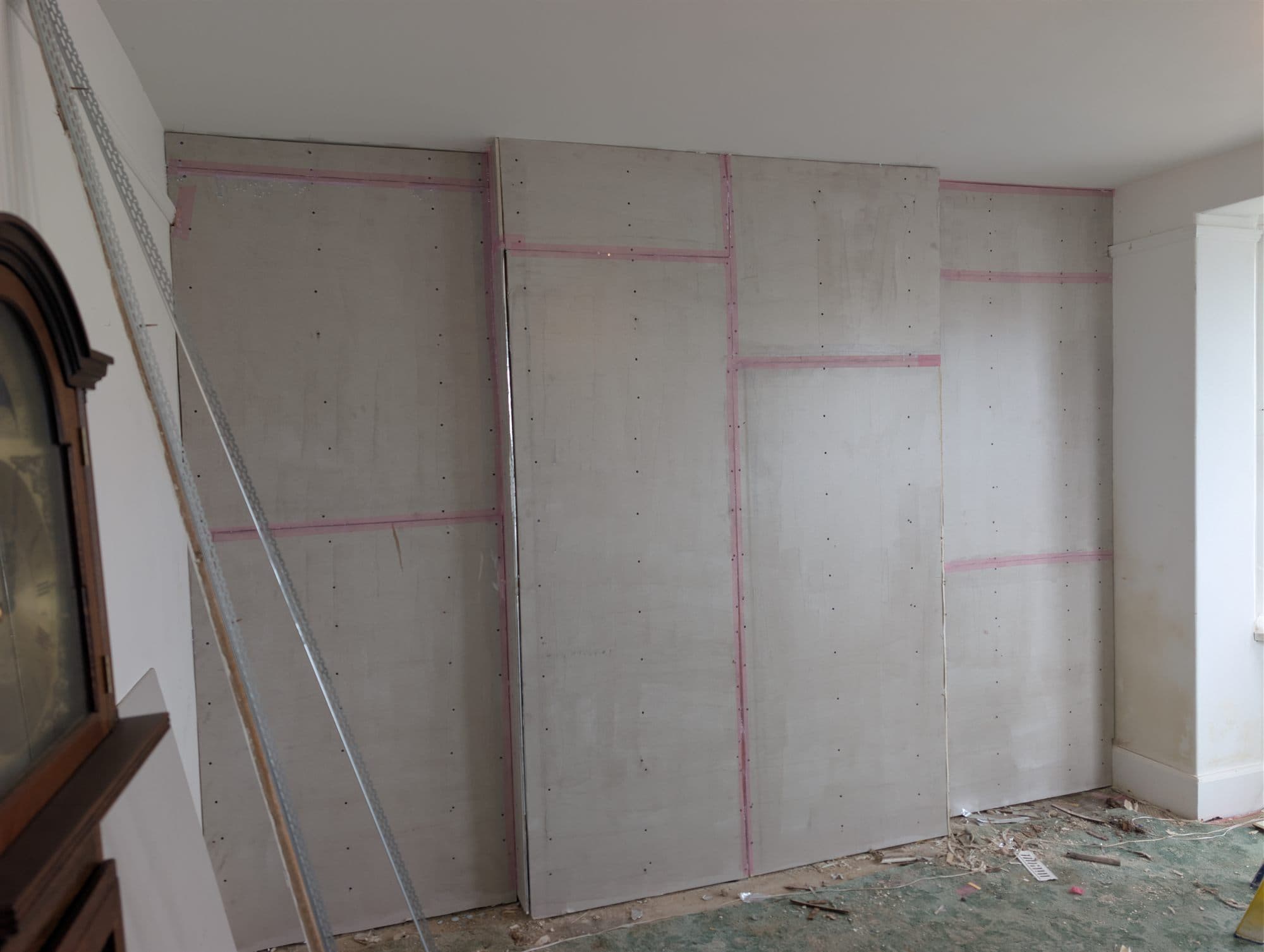
Cracks and damaged plaster don't always mean a full replaster. Sometimes a repair blends in perfectly. Other times, patching is throwing good money after bad. Here's how to tell the difference.
Common signs and what they usually mean
Fine hairline cracks
Very common, especially in newer homes as they settle, and where plasterboard sheets meet. Usually cosmetic, and can normally be filled or taped and blended in before redecorating.
Hollow-sounding patches
Tap the wall gently with your knuckles. If an area sounds hollow compared with the rest, the plaster has probably come away from the wall behind it (“blown”). Small blown areas can be cut out and patched. Large areas usually mean the wall needs to be taken back and redone.
Crumbling, powdery or bubbling plaster
Often a sign of moisture — past or present. Replastering over a damp problem without fixing the cause first will fail again, so it's important to find out why it's happened.
Sagging or bulging ceilings
Take this seriously. In older homes with lath-and-plaster ceilings, a sagging area can mean the plaster has lost its grip on the laths. Don't push on it — get it looked at.
Your options
- Patch repair — cutting out and replacing damaged areas, then blending them in. Best for isolated damage on otherwise sound walls.
- Skim coat — a thin finishing coat over sound but tired or uneven plaster, giving a fresh, smooth surface.
- Board and skim — fixing new plasterboard over the old surface, taping the joints and skimming. Common on ceilings and on badly damaged walls.
- Hack off and replaster — removing the old plaster back to the wall and starting again. The most disruptive, but sometimes the only proper fix.
When a repair makes sense
If most of the wall is sound and the damage is limited to one area — say, where a pipe has been run or a fitting has been removed — a good repair is usually the sensible choice. It's quicker, less disruptive and, once decorated, shouldn't be visible.
When replastering is the better option
If you've got several patches across the same wall, widespread blown plaster, or the surface is so uneven that decorating won't hide it, replastering is often better value in the long run. A series of patch repairs can end up costing close to a full skim, without the same finish.
Plastering over old walls
Many older Cornish and Devon properties have solid stone or cob walls with no cavity. These walls were built to let moisture move through them and dry out. Covering them with non-breathable materials — modern gypsum plaster, cement render or plastic-based paints — can trap moisture and lead to damp and failing plaster.
On walls like these, a suitable lime-based plaster is often the right choice. It isn't needed everywhere, and it's slower to apply, but on the right wall it's the difference between a repair that lasts and one that fails. If you're not sure what your walls are made of, photos and the age of the property usually tell us a lot.
Fix the cause first
Whatever the damage, it's worth asking why it happened. Leaks, blocked gutters, failed pointing or poor ventilation all cause plaster problems. We'll point out anything obvious we notice, because there's no point repairing a wall that's going to get wet again.